1. What IPTV Is in 2026 and Why It Has Become the Standard
In 2026, IPTV (Internet Protocol Television) is no longer a niche technology. It has become the primary way millions of people consume television content, especially in regions like South Africa, where internet infrastructure has significantly improved. IPTV works by delivering TV channels, movies, and series through the internet instead of satellite dishes or cable networks. This shift has fundamentally changed how viewers interact with television, offering far more flexibility, control, and content variety than traditional broadcasting.
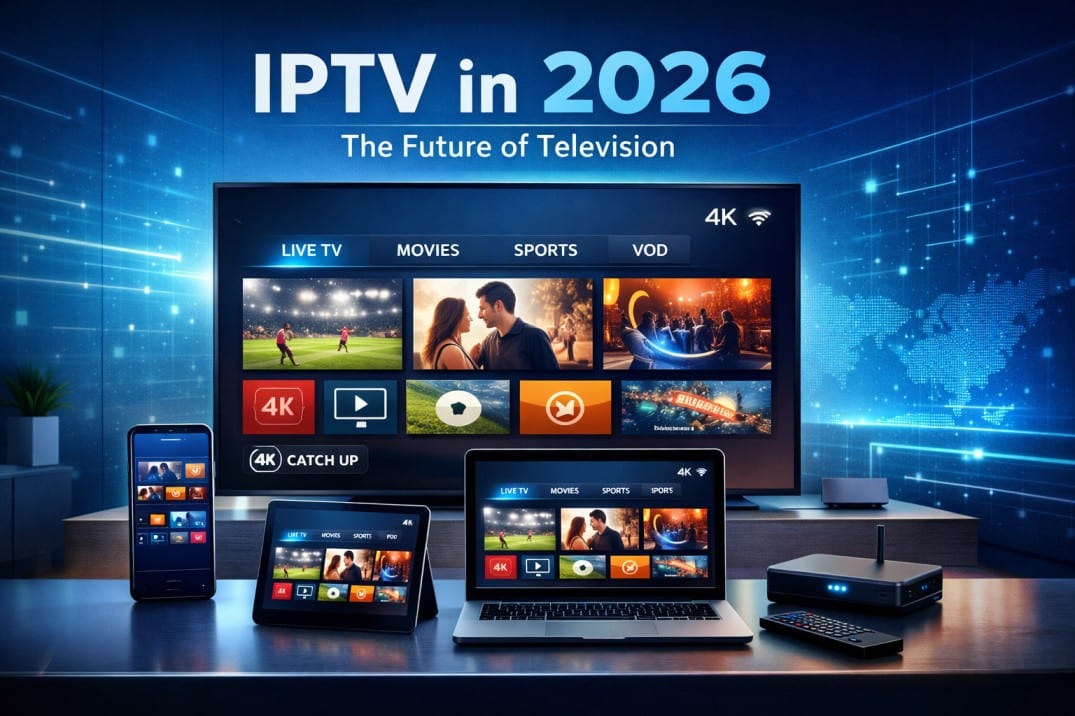
Unlike traditional TV, IPTV does not broadcast all channels at the same time. Instead, it streams content on demand, meaning the user receives only the channel or video they choose to watch. This allows IPTV platforms to offer advanced features such as pause, rewind, catch-up TV, and massive video-on-demand libraries. In 2026, IPTV services commonly include thousands of international channels, premium sports, movies, series, documentaries, and kids’ content — all accessible from a single interface.
Why IPTV Has Become Mainstream
- Rising costs of satellite TV subscriptions
- Faster fibre, LTE, and 5G internet availability
- Demand for multi-device and on-the-go viewing
- Desire for international and regional content
- No long-term contracts or hardware installation
IPTV vs Traditional TV (Overview Table)
| Feature | IPTV (2026) | Traditional TV |
|---|---|---|
| Delivery method | Internet | Satellite / Cable |
| Device flexibility | High (TV, phone, laptop) | Limited |
| On-demand content | Extensive | Limited |
| Installation | Instant | Physical setup |
| Contracts | Optional | Usually required |
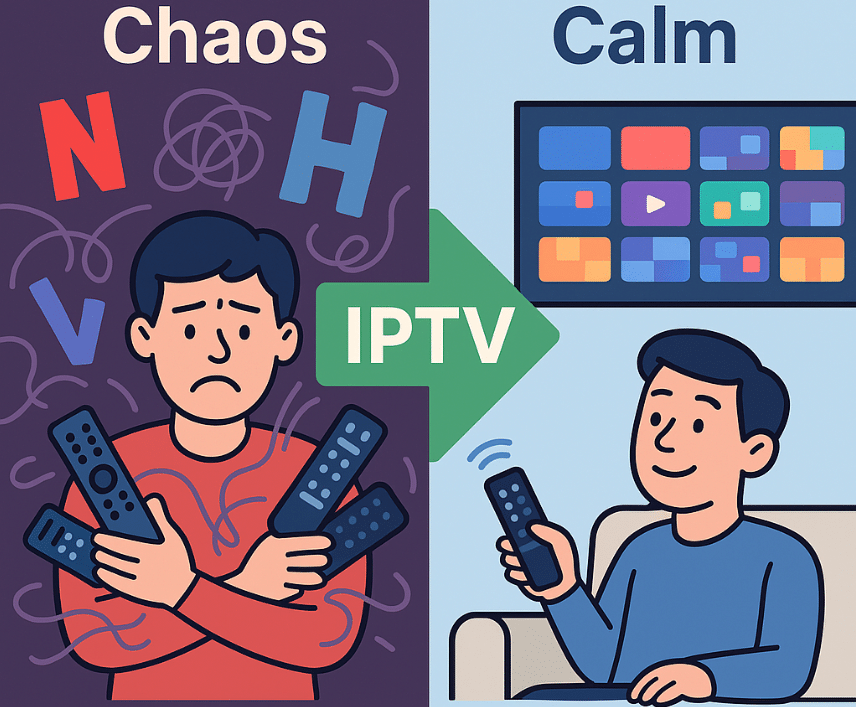
By 2026, IPTV has become the preferred solution for modern households because it aligns perfectly with digital lifestyles. Viewers want freedom, affordability, and global content — and IPTV delivers all three.
2. How IPTV Works and What You Need to Use It Successfully
Understanding how IPTV works is essential for choosing the right service in 2026. IPTV relies on secure streaming servers that deliver content using internet protocols. When a user selects a channel or movie, the content is streamed directly from the provider’s server to the user’s device in real time. Modern IPTV platforms use content delivery networks (CDNs) to ensure smooth playback, minimal buffering, and high uptime even during peak hours.
Basic Requirements for IPTV
To use IPTV efficiently, users need:
- Stable internet connection
- 10 Mbps for HD streaming
- 25 Mbps or more for 4K streaming
- Compatible device
- Smart TV
- Android TV box / Fire Stick
- Smartphone or tablet
- Laptop or desktop computer
- IPTV player application
- IPTV Smarters Pro
- TiviMate
- IBO Player
- VLC (for computers)
How IPTV Setup Works (Step-by-Step)
| Step | Action |
|---|---|
| 1 | Choose a reliable IPTV provider |
| 2 | Select a subscription plan |
| 3 | Receive login or M3U details |
| 4 | Install IPTV player app |
| 5 | Enter credentials and start watching |
In 2026, most professional IPTV services provide instant activation and detailed setup guides. Advanced systems also monitor server performance and automatically reroute traffic to ensure consistent quality. This technical evolution has made IPTV far more reliable than in previous years, even for live sports and high-traffic events.
3. Advantages of IPTV Over Traditional Television in 2026
The advantages of IPTV in 2026 are no longer theoretical — they are practical, measurable, and widely experienced by users. IPTV has outperformed traditional television in nearly every major category, from pricing and content availability to flexibility and user experience.
Key Advantages of IPTV
- Significantly lower subscription costs
- Access to thousands of global channels
- Multi-device streaming support
- No satellite dish or physical installation
- Flexible subscription durations
- Advanced features like catch-up and VOD
Cost Comparison Example
| Service Type | Average Annual Cost | Content Volume |
|---|---|---|
| Satellite TV | High | Limited |
| IPTV (2026) | Low to Moderate | Massive |
User Experience Improvements
Modern IPTV platforms focus heavily on usability:
- Clean and intuitive interfaces
- Electronic Program Guides (EPG)
- Search and filtering tools
- Personalised favourites
- Multi-language support
Traditional TV systems are hardware-dependent and geographically restricted. IPTV, on the other hand, is cloud-based and accessible from anywhere with an internet connection. This makes IPTV ideal for families, travelers, and users who want uninterrupted access to entertainment across multiple devices. In South Africa, these benefits have made IPTV a clear winner for viewers seeking value and convenience.
4. IPTV in South Africa in 2026 and the Future Ahead
South Africa has become one of the fastest-growing IPTV markets due to improved connectivity and rising awareness among consumers. Fibre expansion, improved LTE coverage, and nationwide 5G rollout have made IPTV accessible to millions of households. By 2026, South African users are more educated about IPTV and increasingly demand reliable providers, strong customer support, and transparent policies.
Why IPTV Is Thriving in South Africa
- High satellite TV costs
- Growing internet infrastructure
- Demand for international sports and content
- Younger, streaming-focused audiences
Websites like iptvsafrica.co.za play a key role in educating users and offering structured IPTV solutions tailored to local needs. Looking forward, IPTV technology will continue evolving with artificial intelligence, smarter content recommendations, better security systems, and deeper integration with smart home devices.
Future Trends Beyond 2026
- AI-driven content personalization
- Improved anti-buffering technologies
- Voice-controlled IPTV navigation
- Enhanced parental controls
- Stronger account security
IPTV is no longer just a television replacement — it is a full digital entertainment ecosystem. As traditional broadcasting continues to decline, IPTV will remain at the center of how people consume content in South Africa and worldwide.